• Medieval Texts Reading Group (Fall 2025)

    The UCLA Medieval Texts Reading Group welcomes undergraduate students, graduate students, staff, and faculty interested in medieval literature. On the third Friday of each term, we meet to discuss a text in English translation from across the Global Middle Ages and consider what it tells us about its cultural and literary context. Each discussion will […]

  • Works in Progress with Jodie Miller

    Renart li rous: The Physiognomy of a Traitor The Roman de Renart, an Old French literary cycle composed between the late-twelfth and mid-thirteenth centuries, tells the tale of the fox, Renart, who wreaks havoc on his society through renardie, or foxish and deceitful misbehavior. The first branch, or section, of the cycle recounts how Renart […]

  • California Medieval Seminar (Fall 2025)

    Participation in the Seminar consists of group discussion of pre-circulated papers, typically drafts of articles, book chapters, or dissertation chapters (with complete apparatus). Two of the papers are ordinarily by emerging scholars (including PhD students) and the other two are by established scholars. We allocate one hour per paper and presenters should anticipate substantial, and […]

  • New Book Salon, “Writing Borderless Histories of Art: Human Exceptionalism and the Climate Crisis”

    This aspirational, historical, and critical book offers a fundamental rethinking of the relationship between humans and the rest of nature — a vital perspective in a moment defined by environmental crisis, increasing authoritarianism, social justice movements, and global calls for systemic change. Drawing upon writings from a wide range of fields, Claire Farago combines a […]

  • Manuscripts in Arabic Script at UCLA: Where Did They Come From?

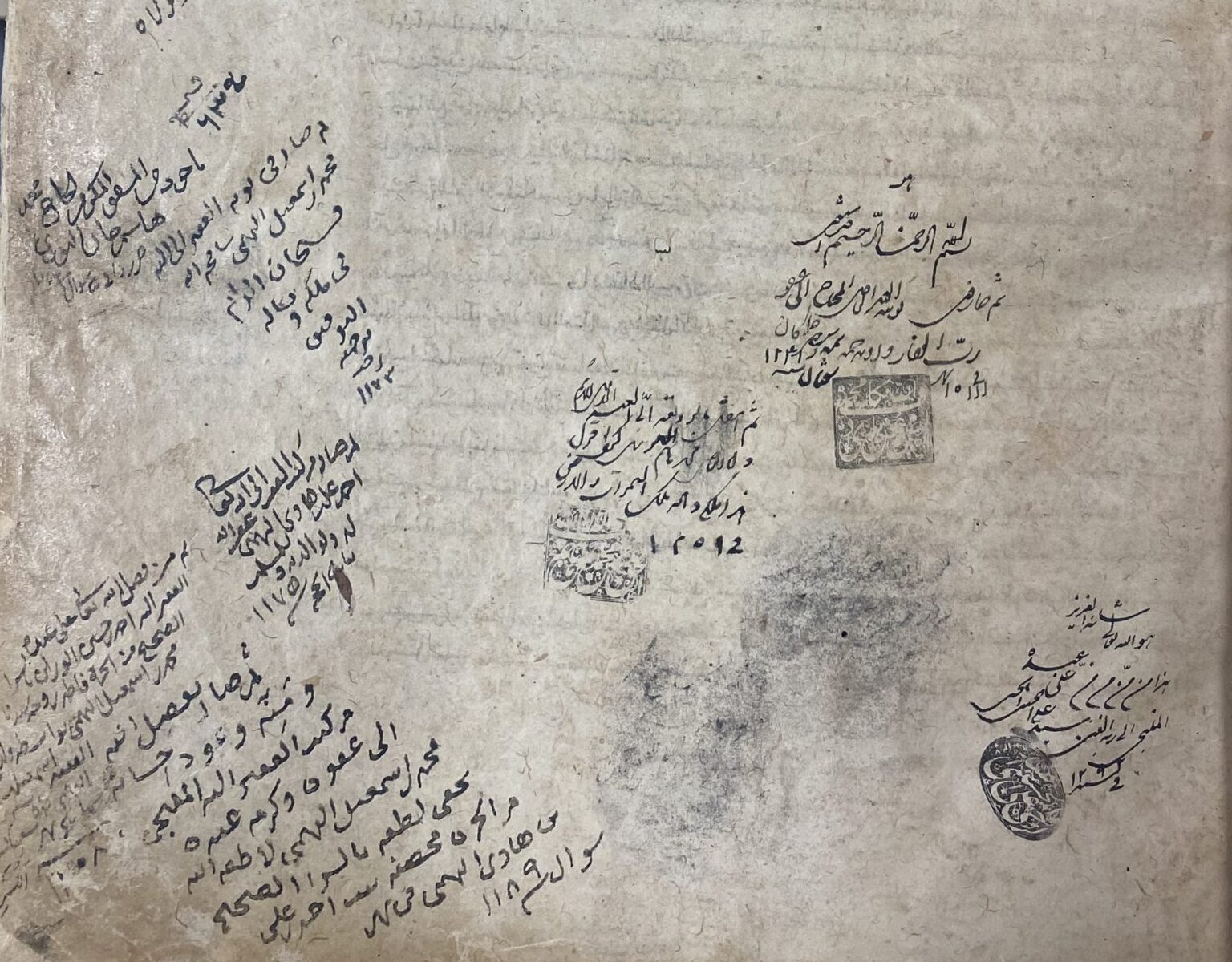
    UCLA holds one of the largest groupings of Arabic, Persian, and Turkish manuscripts in the Americas, yet little is known about their provenance. This event will shed light on the sources of some of UCLA’s twenty collections of manuscripts in Arabic script. This event will draw attention to manuscript provenance by hosting five talks from […]

  • Medieval Texts Reading Group (Winter 2026)

    Previously scheduled for January 23, 2026. The UCLA Medieval Texts Reading Group welcomes undergraduate students, graduate students, staff, and faculty interested in medieval literature. On the third Friday of each term, we meet to discuss a text in English translation from across the Global Middle Ages and consider what it tells us about its cultural […]

  • California Medieval Seminar (Winter 2026)

    Participation in the Seminar consists of group discussion of pre-circulated papers, typically drafts of articles, book chapters, or dissertation chapters (with complete apparatus). Two of the papers are ordinarily by emerging scholars (including PhD students) and the other two are by established scholars. We allocate one hour per paper and presenters should anticipate substantial, and […]

  • “Chaucer’s ‘loveris maladye / Of Heroes,’ Avicenna’s Treatise on Love, and an Arabic-Islamic Metaphysics of Love”

    This talk explores Chaucer’s depictions of love alongside Avicenna’s Treatise on Love and related Arabic medical and philosophical texts that circulated in Latin. It explores how an Arabic-Islamic metaphysics of love shaped by Aristotelian, Neoplatonic, and Sufi thought can reshape our understanding of fin’amors in Middle English poetry. Rather than simply tracing “influence,” I ask how we […]

  • Richard and Mary Rouse History of the Book Lecture by Daniel Hobbins

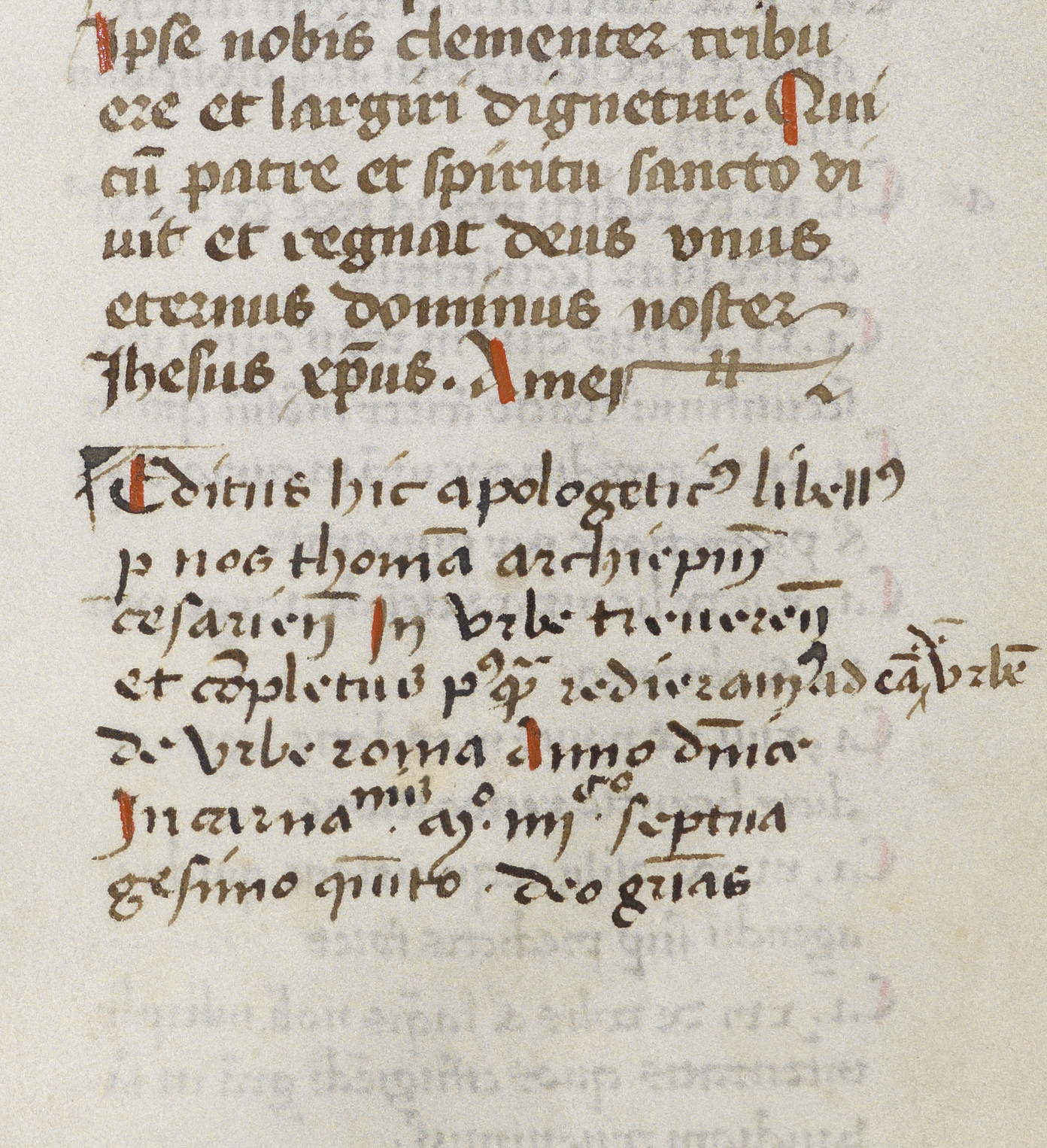
    “The Origins of the Authorial Colophon in the Latin West” Guest Speaker: Daniel Hobbins (University of Notre Dame) In the early twelfth century, a group of translators working in Iberia began supplying their works with colophons as though they were scribes. They simply replaced the date of copy with the date of composition. Modern scholarship […]

  •  “The Medieval Philomela and Fabricated Communication”

    Guest Speaker: Hannah Weaver (Columbia University) On the basis of manuscript evidence and a textual tradition that includes Ovid, Chrétien de Troyes, and Chaucer, this paper traces the uneven capacity of cloth to communicate. Hannah Weaver is an assistant professor of English and Comparative Literature at Columbia University. She is the author of articles on Latin […]