• (Re)envisioning Ancient Worlds

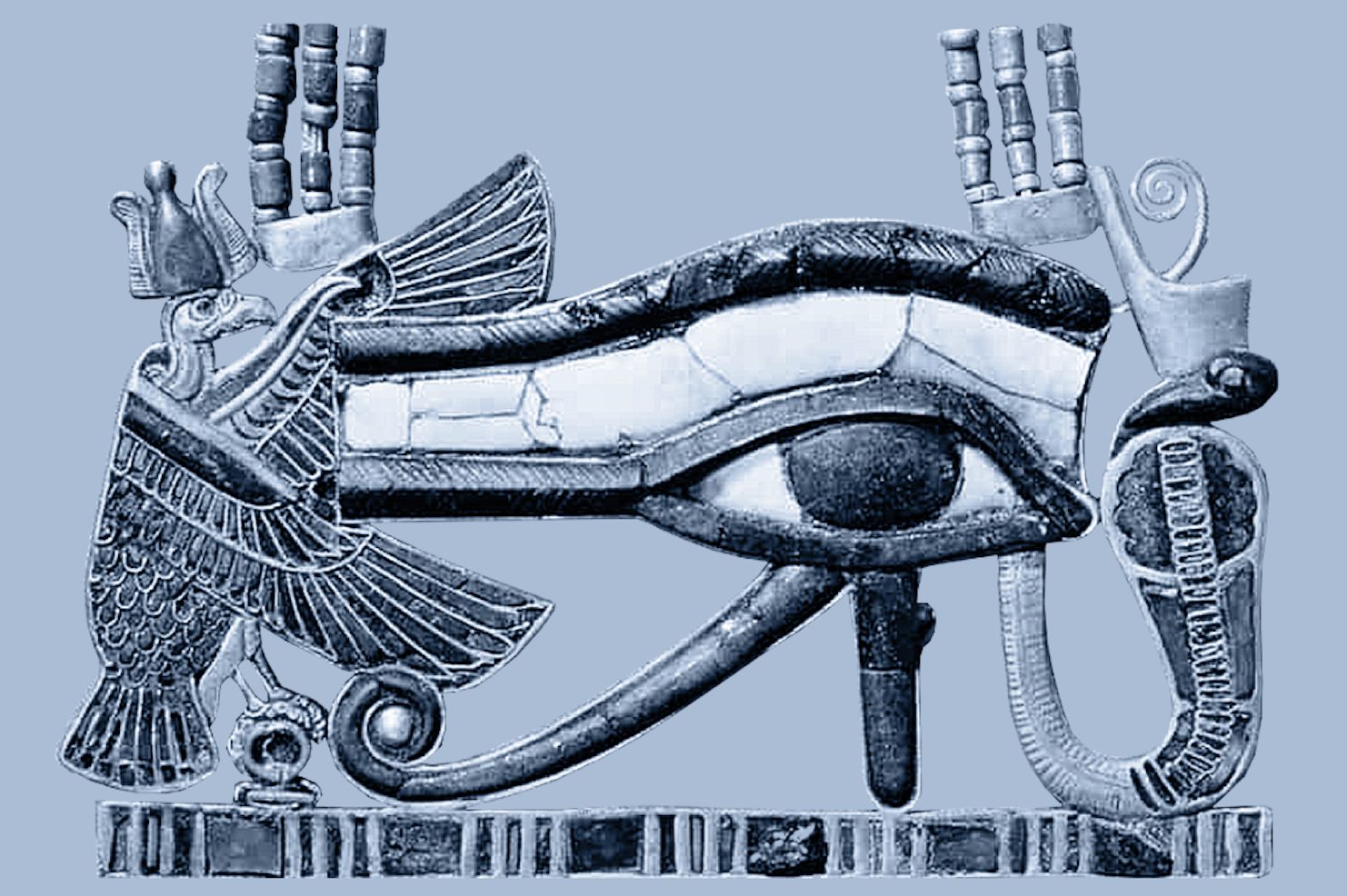
    A Workshop Hosted by Global Antiquity for Colleagues in California December 5–6, 2023 | Royce Hall 306 Global Antiquity is thrilled to announce its inaugural workshop titled “(Re)envisioning Ancient Worlds.” This event, held at UCLA in Royce 306 over two days (December 5 and 6, 2023), will include invited speakers from across the University of […]
  • Reed, Brush, Chisel: Script, Literacy, and Writing Across Central and East Asia (400–1800)

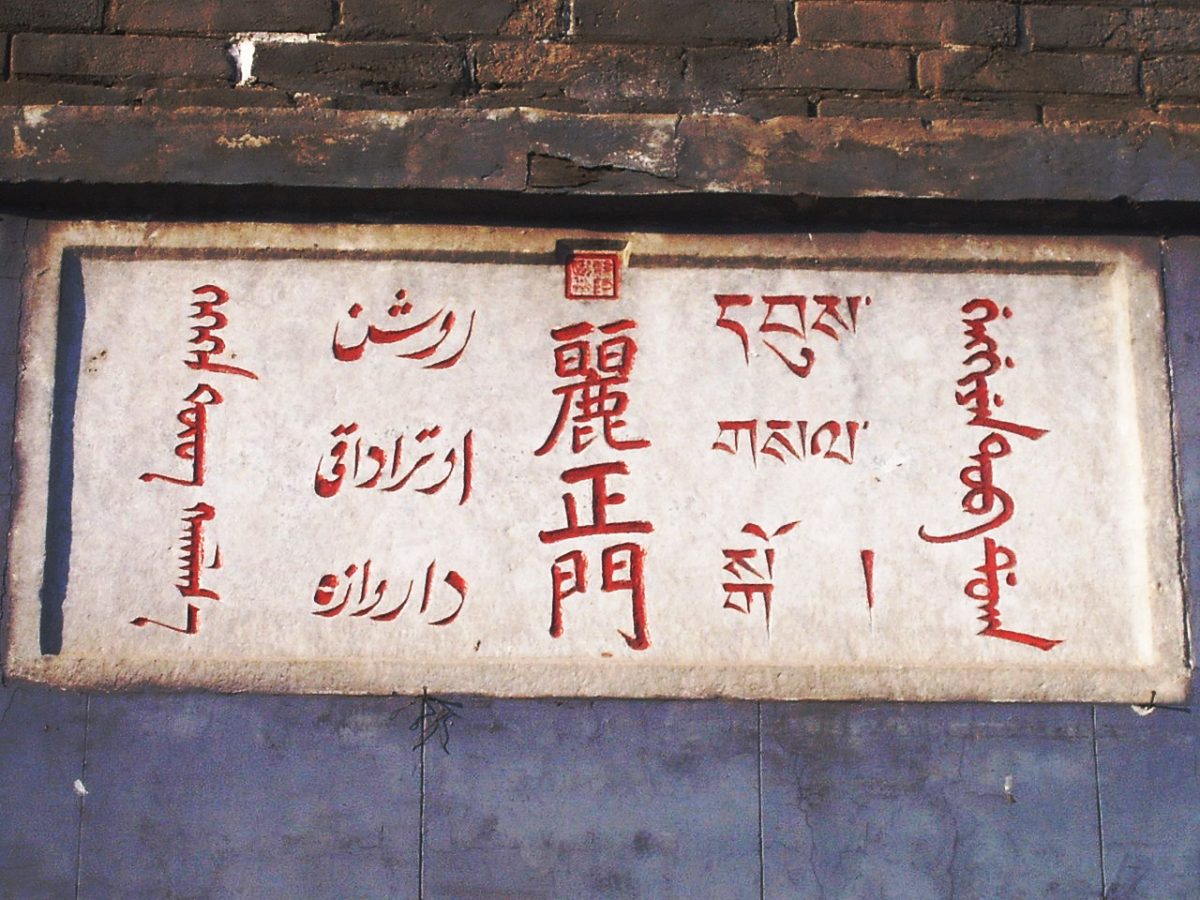
      December 8th, 2023 Special Collections Roundtable UCLA Luskin Conference Center 425 Westwood Plaza Los Angeles CA, 90095 Laureate Classroom Refreshments Served 3:00–5:00 PM Roundtable and Discussion Followed by Reception South Courtyard, Luskin Center 5:15 PM (Los Angeles Time) December 9th, 2023 Symposium 8:30 – 5:00 PM (PST) UCLA Luskin Conference Center 425 Westwood Plaza […]

  • The Mediterranean Seminar Winter Workshop 2024, Intermediaries, Middle Grounds, Middle Sea

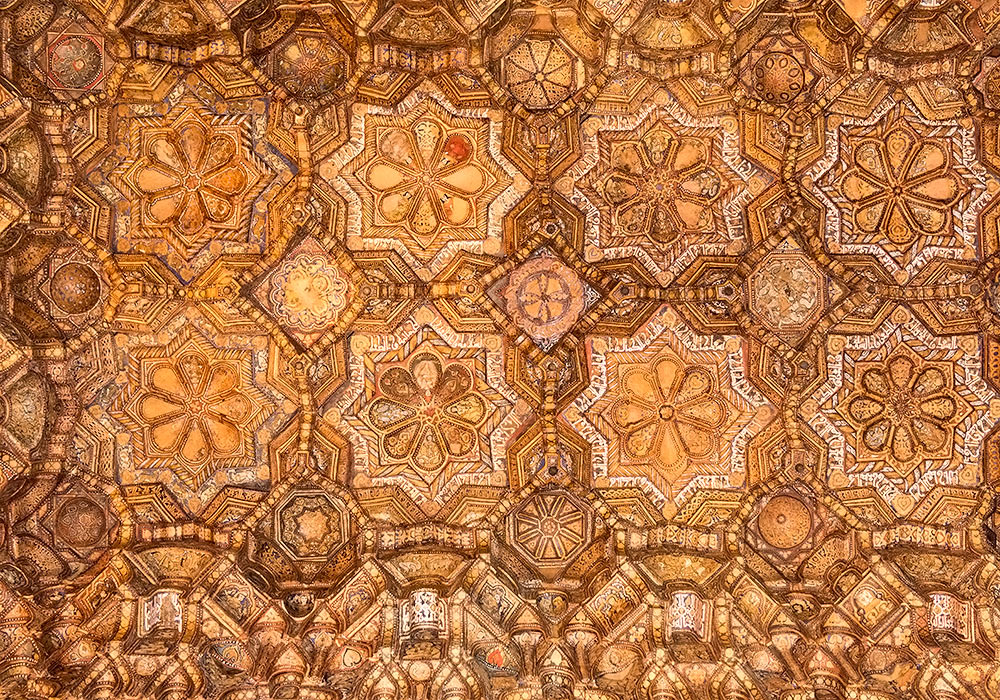
    As the theater of engagement and integration of communities originating on the shores or from the hinterlands of Africa, Asia, and Europe, the Mediterranean region served as a dynamic center of interaction and exchange from Antiquity through early modernity. Even as it began to lose political and economic centrality, it has remained a zone of […]

  • Richard & Mary Rouse History of the Book Lecture, Guest Speaker: Ilse Sturkenboom

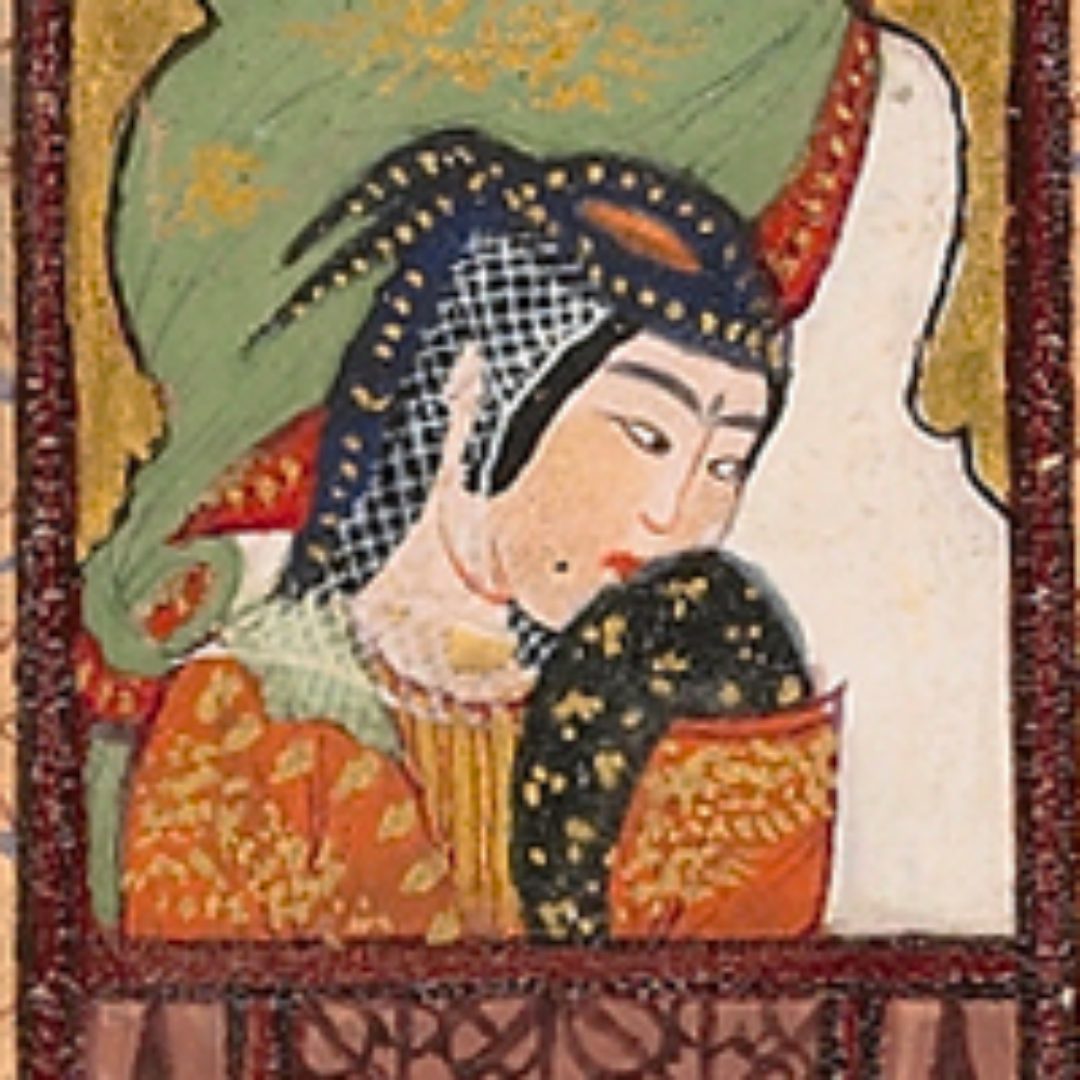
    “On the Introduction of Chinese Decorated Paper to Iran and How it Revolutionized Manuscript Production in the Islamic World” Guest speaker: Ilse Sturkenboom (Ludwig-Maximilians-Universität München) The fifteenth-century introduction of long sheets of brightly colored and gold-embellished paper from Ming China to Iran provided book artists with a range of new possibilities in the production of […]

  • California Medieval Seminar (Winter 2024)

    Participation in the Seminar consists of group discussion of pre-circulated papers, typically drafts of articles, book chapters, or dissertation chapters (with complete apparatus). Two of the papers are ordinarily by emerging scholars (including PhD students) and the other two are by established scholars. We allocate one hour per paper and presenters should anticipate substantial, and […]

  • William and Lois Matthews Samuel Pepys Lecture, Guest Speaker: S.E. Kile

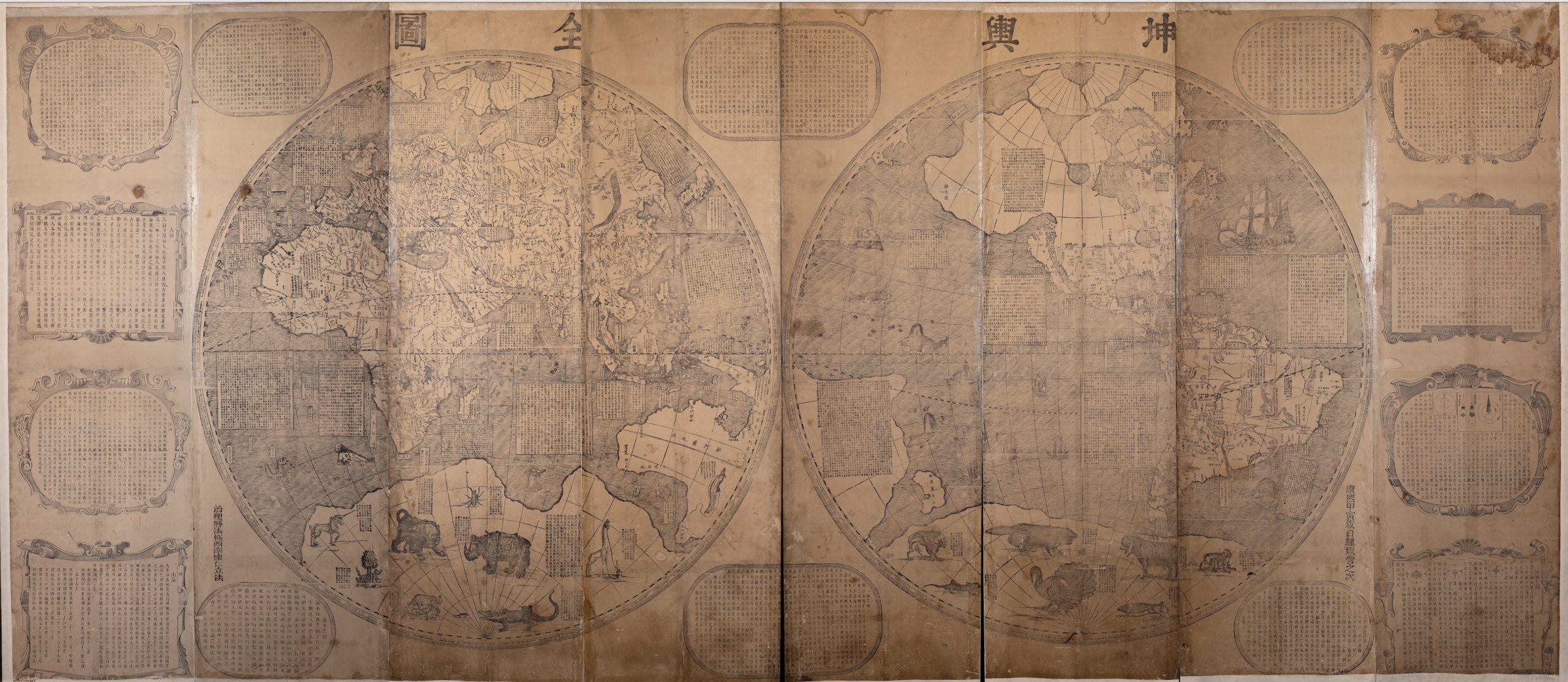
    Copy of Kunyu quantu 坤輿全圖 (Complete map of the world), 1674, Ferdinand Verbiest, S.J. held at the Clements Library at the University of Michigan. Image stitched together from individual images of each frame of the map screen. Guest Speaker: S.E. Kile (University of Michigan) “Was the World Early Modern?: Telescopes, Surgery, and Print Media in China, […]

  • Hammer Art History Lecture by Suzanne Blier, “Patterns of Anomaly in African Ivories”

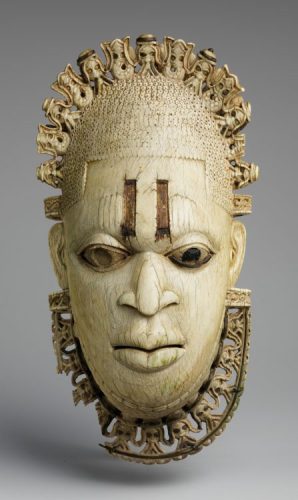
    This lecture takes up questions in African Medieval to Early Modern ivory imagery and sources framed in part around a set of seemingly anomalous motifs that address how power and ivory have mutually shaped each other both in Africa (particularly Nigeria) and in European contexts. Among the works taken up are images of elephants in […]

  • Lecture by Irene Papadaki, “Love’s Labour and the Angelic Beloved: Voices from Cypriot Renaissance Poetry”

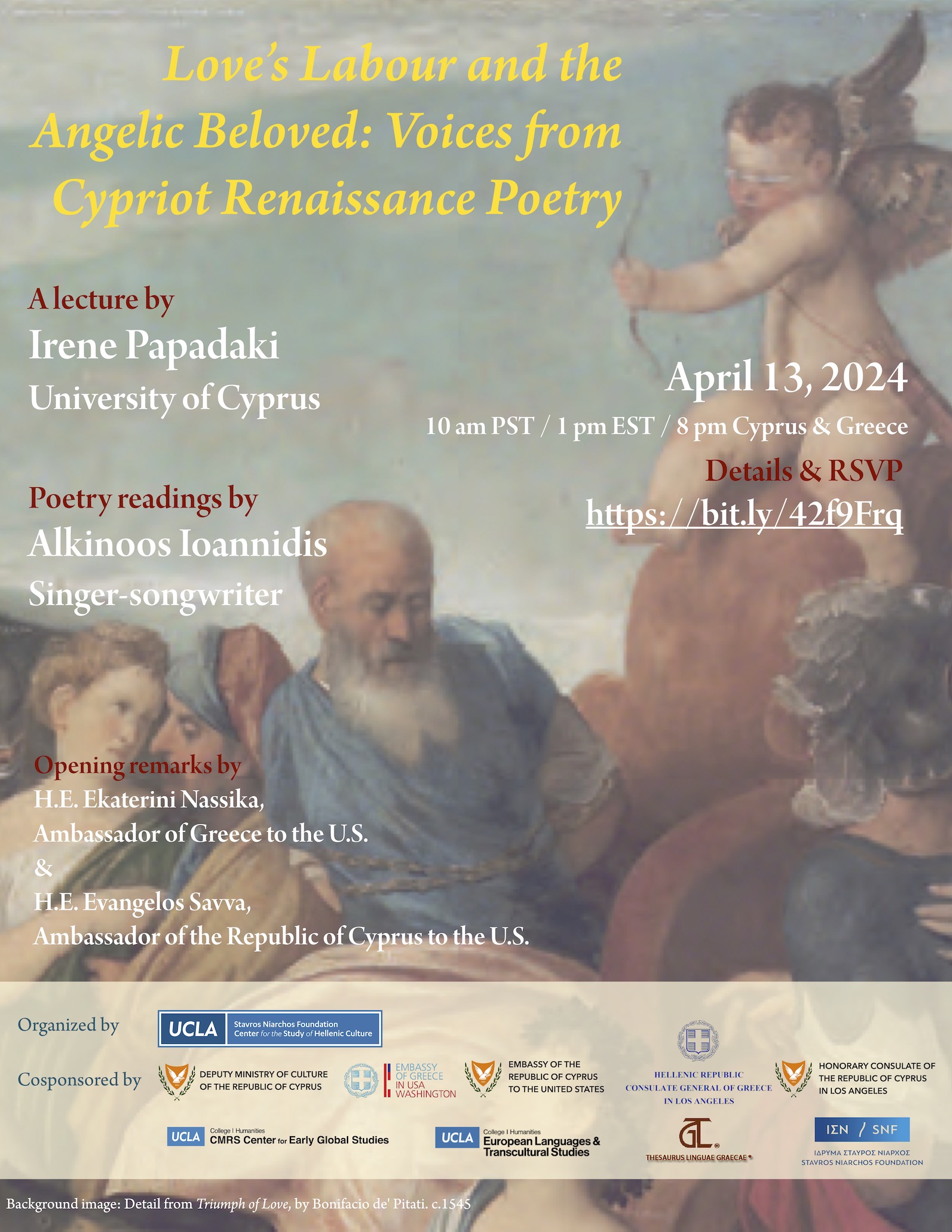
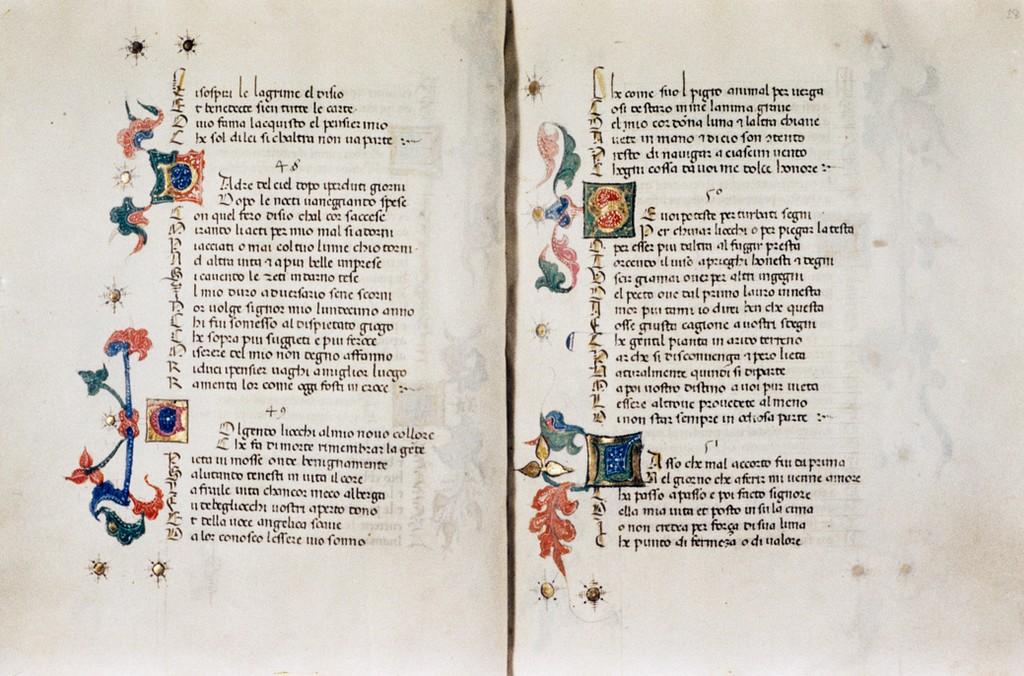
    Description of Lecture: The reception of Italian lyrical poetry in Cyprus during the time of Venetian rule (1489-1571) yielded rich fruits. The precious collection of Cypriot love poems, preserved in a unique manuscript at the Marciana Library in Venice, is a mature expression of Renaissance reflections and artistic sensitivity. Simultaneously, it reveals a convergence of […]

  • Lecture by Etienne Anheim, “The Role of the Renaissance in the Transformation of the Western Political Imaginary: Petrarch’s Africa and Death for the ‘Fatherland’”

    Abstract: The ideal of “death for the fatherland” (Pro patria mori) may seem to be an invariable reality of human society, from Sparta and Athens to today’s wars. In fact, it is a political imaginary whose periodization can be traced. Ernst Kantorowicz, in a famous article published in 1951, proposed an analysis of this problem. […]