• Richard and Mary Rouse History of the Book Lecture by Daniel Hobbins

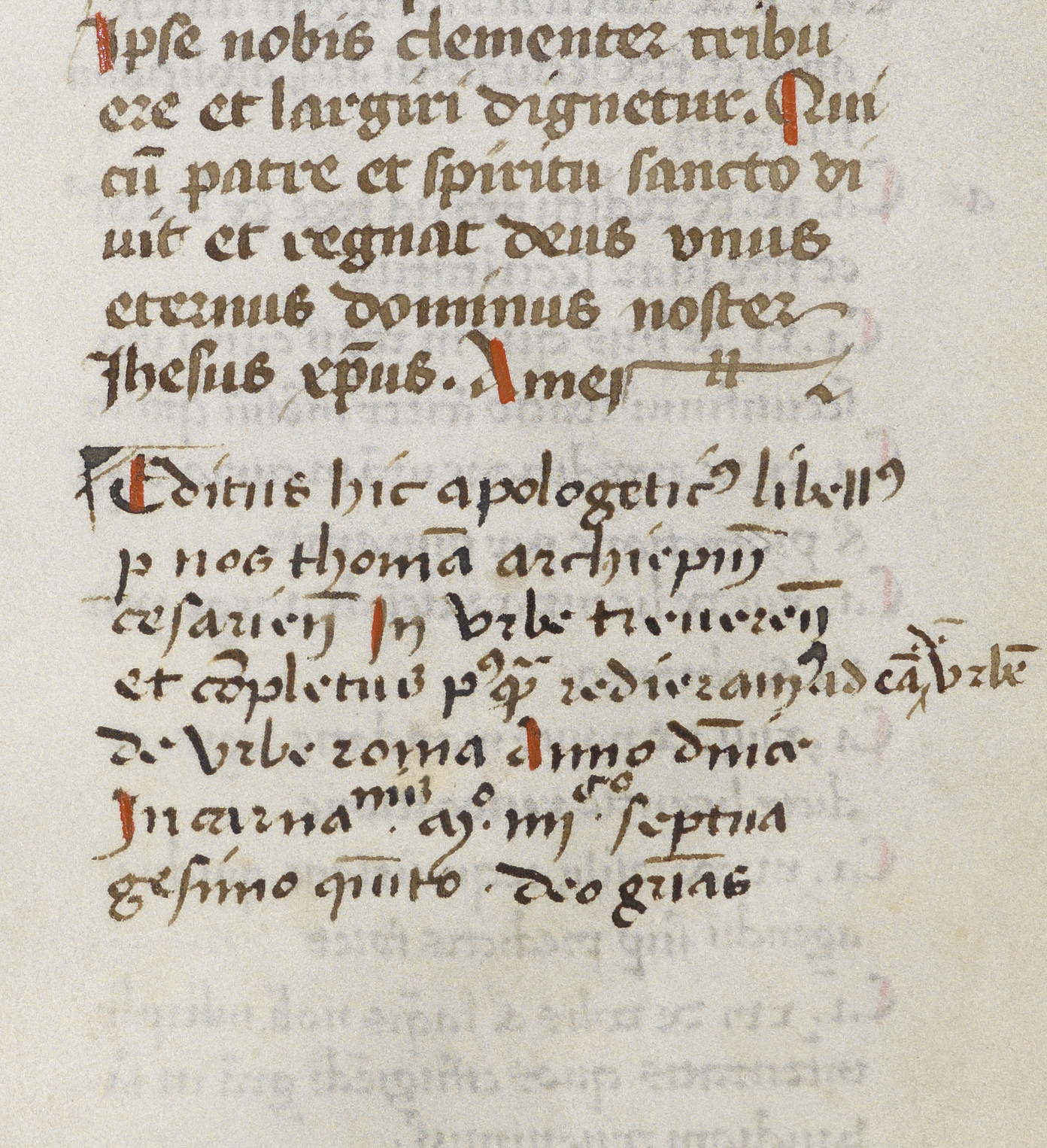
    “The Origins of the Authorial Colophon in the Latin West” Guest Speaker: Daniel Hobbins (University of Notre Dame) In the early twelfth century, a group of translators working in Iberia began supplying their works with colophons as though they were scribes. They simply replaced the date of copy with the date of composition. Modern scholarship […]
  • Late Antique eXcursus Seminar with Jordan Pickett

    Late Antique eXcursus (LAX) is a new seminar series at UCLA sponsored by the Robert and Dorothy Wellman Chair in Medieval History and by the CMRS Center for Early Global Studies. The series, which hosts a visiting scholar of Late Antiquity or the early Middle Ages each quarter, is designed to support graduate education, make […]

  • William and Lois Matthews Samuel Pepys Lecture by Molly Warsh

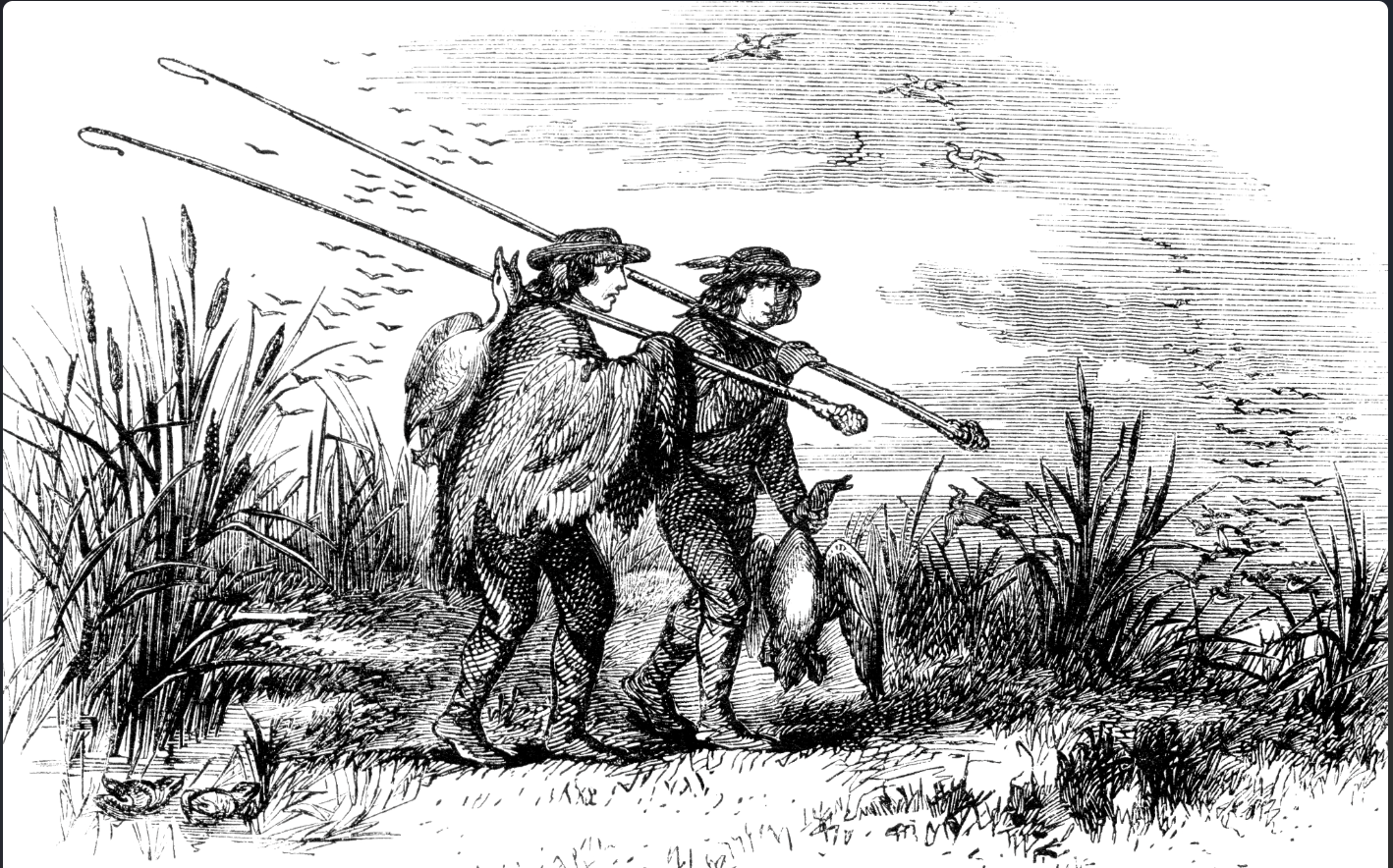
    “‘Breedlings’ and the ‘most sad Fenns’: Perceptions of Untameable Places and People in Samuel Pepys’s England” Guest Speaker: Molly Warsh (University of Pittsburgh) In this talk, Warsh will consider Pepys’s observations about the English fens and their inhabitants in the context of shifting seventeenth century ideas about what made certain places and people wild.  With Pepys’s […]

  • Works in Progress with Rebeca Martínez-Tibbles

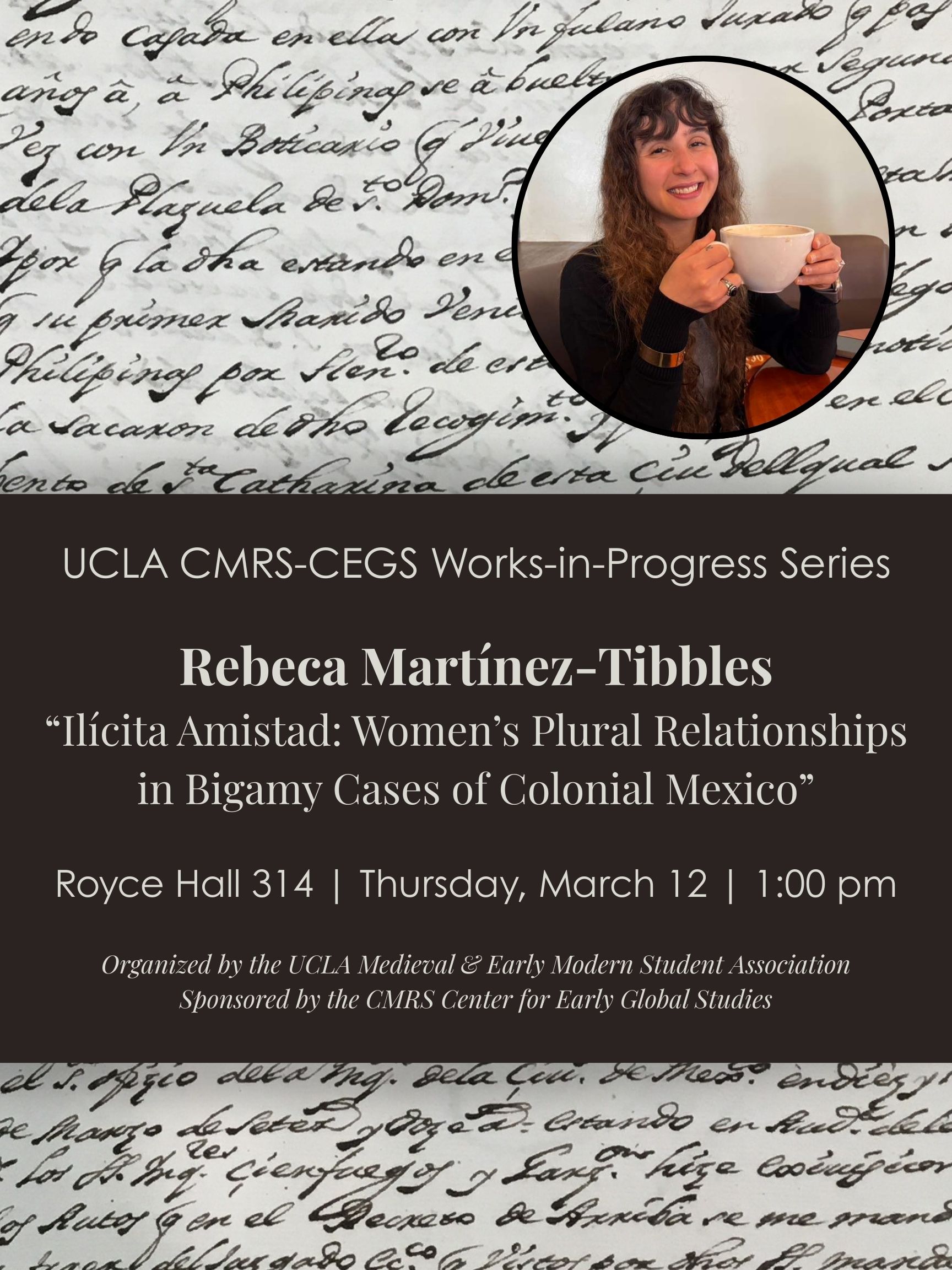
    “Ilícita Amistad: Women’s Plural Relationships in Bigamy Cases of Colonial Mexico” Guest Speaker: Rebeca Martínez-Tibbles (History) This paper examines ilícita amistad—illicit or informal romantic relationships—as a central feature of women’s lives in colonial Mexico, particularly as revealed through bigamy cases prosecuted by the Holy Office of the Inquisition. Drawing on extensive archival research in Mexico City […]

  • California Medieval Seminar (Spring 2026)

    Participation in the Seminar consists of group discussion of pre-circulated papers, typically drafts of articles, book chapters, or dissertation chapters (with complete apparatus). Two of the papers are ordinarily by emerging scholars (including PhD students) and the other two are by established scholars. We allocate one hour per paper and presenters should anticipate substantial, and […]

  • Odious Comparisons Across & Beyond the Early Global World

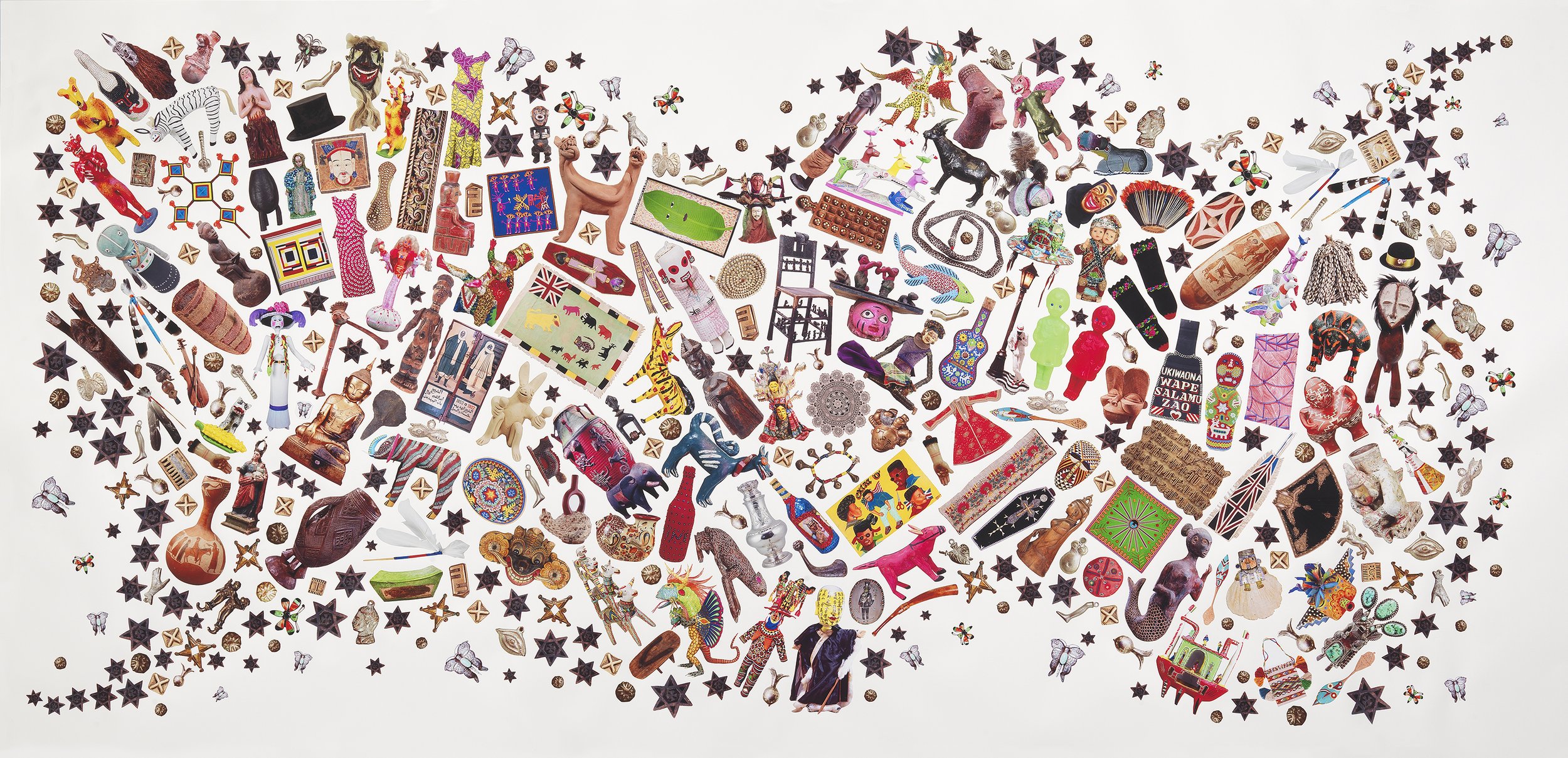
    Isabella Kelly-Ramirez, Cosmic Provenance, 2023 In his 1996 essay “Why Comparisons Are Odious,” W.J.T. Mitchell observed that if “difference and identity are the potent and inevitable terms in a new comparativism grounded in culture, it may be important to remind ourselves how insidious comparison can be, how invidious and odious.” Although written in response to […]

  • New Book Salon, “Turning Away”

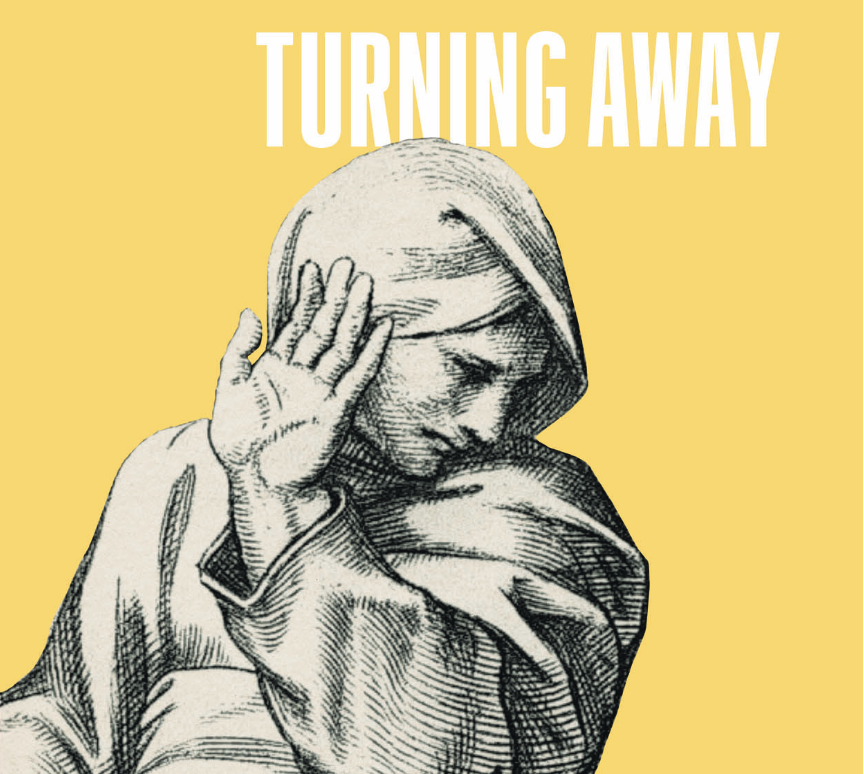
    A sweeping account of how we are at our most human when we turn away from the pains of the world.  “This is a book that makes a difference, not only in our grasp of human visuality but in all the mixed feelings of love and hate, attraction and repulsion, thought and feeling that make […]

  • “Translations: People, Texts & Objects in Motion Across the Early Global World”– MEMSA Graduate Student Conference

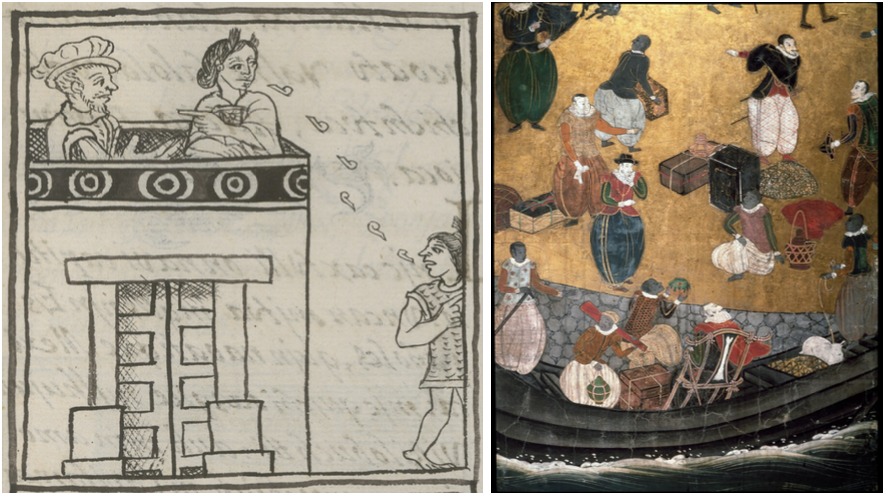
    In his landmark 1611 dictionary, the Tesoro de la le lengua castellana, the Castilian linguist Sebastián de Covarrubias noted that the verbs “to translate” in Spanish, traducir and trasladar, possessed both the meaning of words moving between languages and of movement of objects across space. Translation involved people, words, objects, images, and ideas in motion […]

  • Works-in-Progress

    Guest Speaker: Jiakai Zhang The presentation will focus on the Xiqin Quyi 西琴曲意(Eight Songs for Western Keyboard) composed by Matteo Ricci 利瑪竇 (1552-1610) in classical Chinese. Ricci was a Jesuit missionary who came to the Ming court and dedicated this collection of songs to the Wanli Emperor (萬曆皇帝) to be sung along with a keyboard […]

  • Medieval Texts Reading Group (Spring 2026)

    The UCLA Medieval Texts Reading Group welcomes undergraduate students, graduate students, staff, and faculty interested in medieval literature. Once each term, we get together to discuss a text in English translation from across the Global Middle Ages, to think about what it tells us about its cultural and literary context. Each discussion will be led […]