• California Medieval Seminar (Spring 2025)

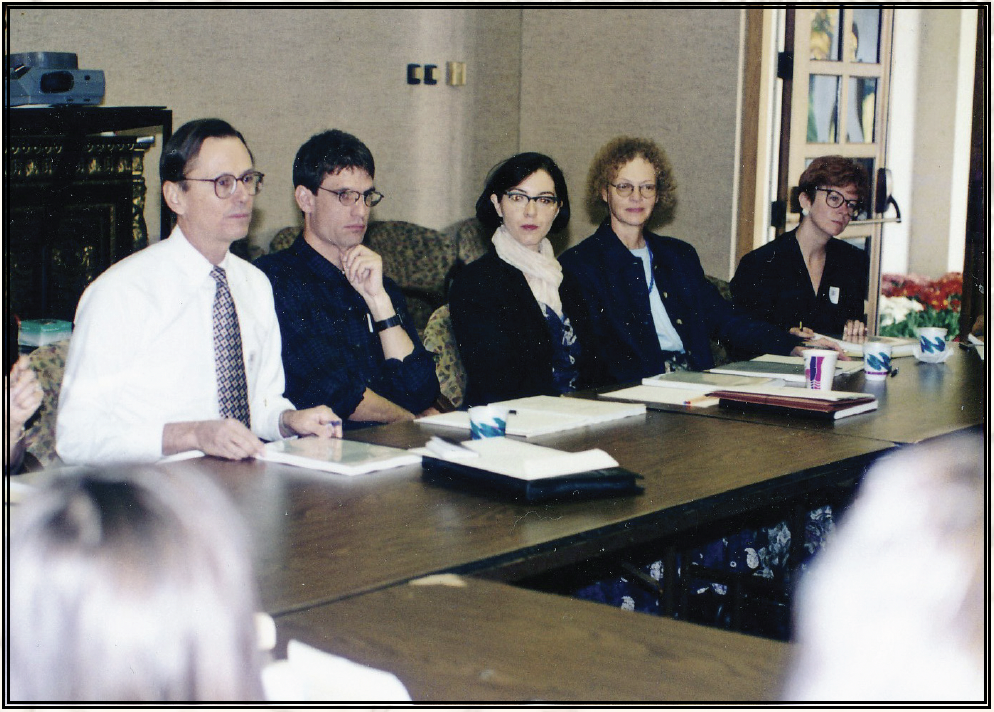
    Participation in the Seminar consists of group discussion of pre-circulated papers, typically drafts of articles, book chapters, or dissertation chapters (with complete apparatus). Two of the papers are ordinarily by emerging scholars (including PhD students) and the other two are by established scholars. We allocate one hour per paper and presenters should anticipate substantial, and […]
  • Literary Journeys from Metaphor to Plot: Travel, Mind, and Experience

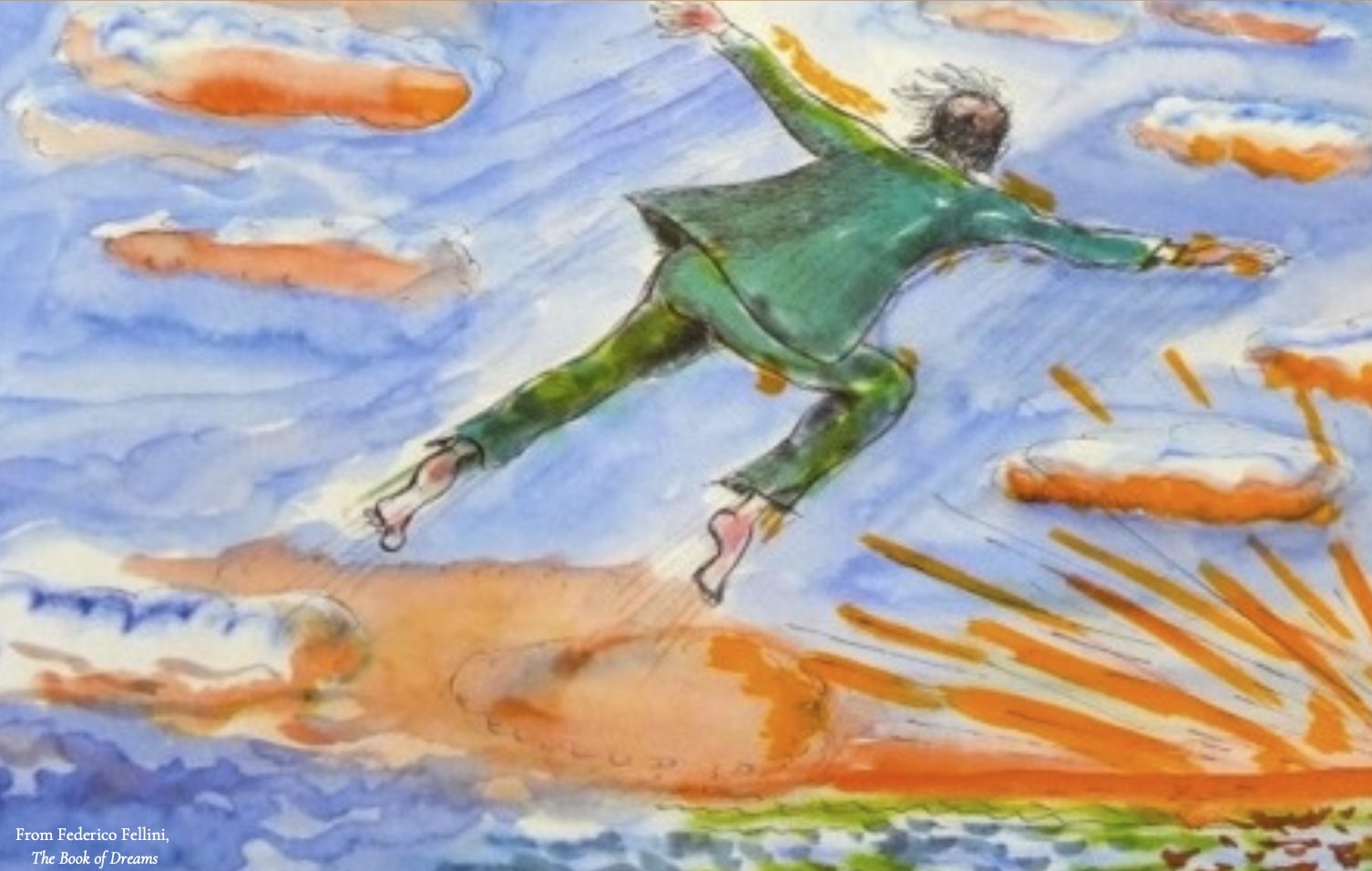
    The theme of this conference explores travel as both an idea and a specific form of human experience, examined through various representations ranging from literature to visual arts to philosophy. The aim is to investigate how travelers’ minds are altered by their experiences along their respective paths. The conference is not focused on travel writing […]

  • Medieval Texts Reading Group

    For our Spring 2025 meeting, we will meet on May 16,  3:00 – 5:00 PM, in Kaplan 193, and we will read the short Middle English poem Wynnere and Wastoure. This peculiar mid-14th-century alliterative poem (in Middle English, but don’t be discouraged! do your best!) sets two allegorical figures, Winner and Waster, against each other in […]

  • On Land and Across the Sea: Boccaccio’s Other Wor(l)ds. Junctions and Interweavings Conference

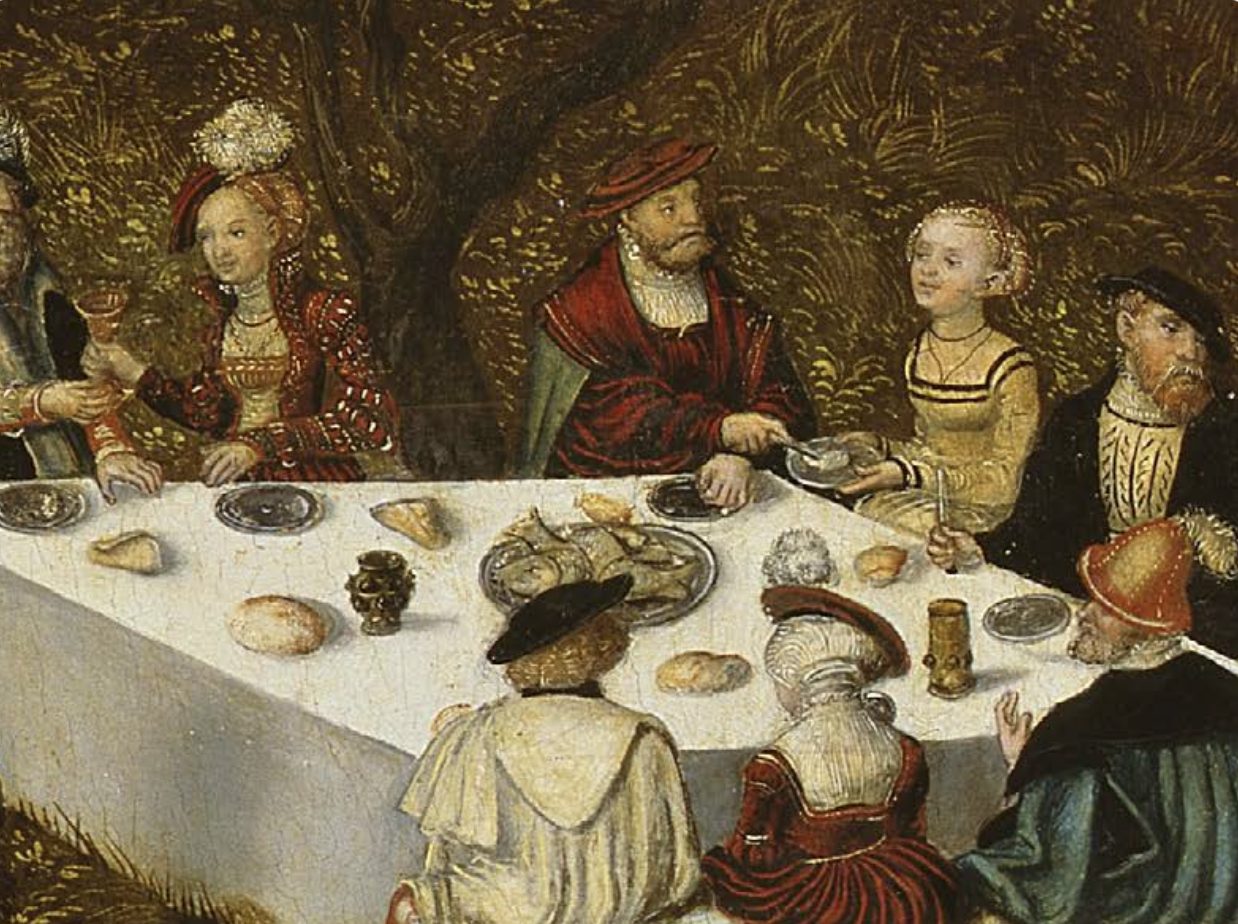
    To mark 650 years since Boccaccio’s death, a conference on Boccaccio’s Other Wor(l)ds invites exploration of Boccaccio’s “Other Words” and “Other Worlds.” Boccaccio’s narratives—not limited to the Decameron—vividly depict cultural and intellectual exchanges, emphasizing human behavior, morality, and societal complexities across the Mediterranean and beyond, including Cathay. In the Decameron, the Levant serves as a crucial geographical and cultural […]

  • Medieval Texts Reading Group (Fall 2025)

    The UCLA Medieval Texts Reading Group welcomes undergraduate students, graduate students, staff, and faculty interested in medieval literature. On the third Friday of each term, we meet to discuss a text in English translation from across the Global Middle Ages and consider what it tells us about its cultural and literary context. Each discussion will […]

  • Works in Progress with Jodie Miller

    Renart li rous: The Physiognomy of a Traitor The Roman de Renart, an Old French literary cycle composed between the late-twelfth and mid-thirteenth centuries, tells the tale of the fox, Renart, who wreaks havoc on his society through renardie, or foxish and deceitful misbehavior. The first branch, or section, of the cycle recounts how Renart […]

  • California Medieval Seminar (Fall 2025)

    Participation in the Seminar consists of group discussion of pre-circulated papers, typically drafts of articles, book chapters, or dissertation chapters (with complete apparatus). Two of the papers are ordinarily by emerging scholars (including PhD students) and the other two are by established scholars. We allocate one hour per paper and presenters should anticipate substantial, and […]
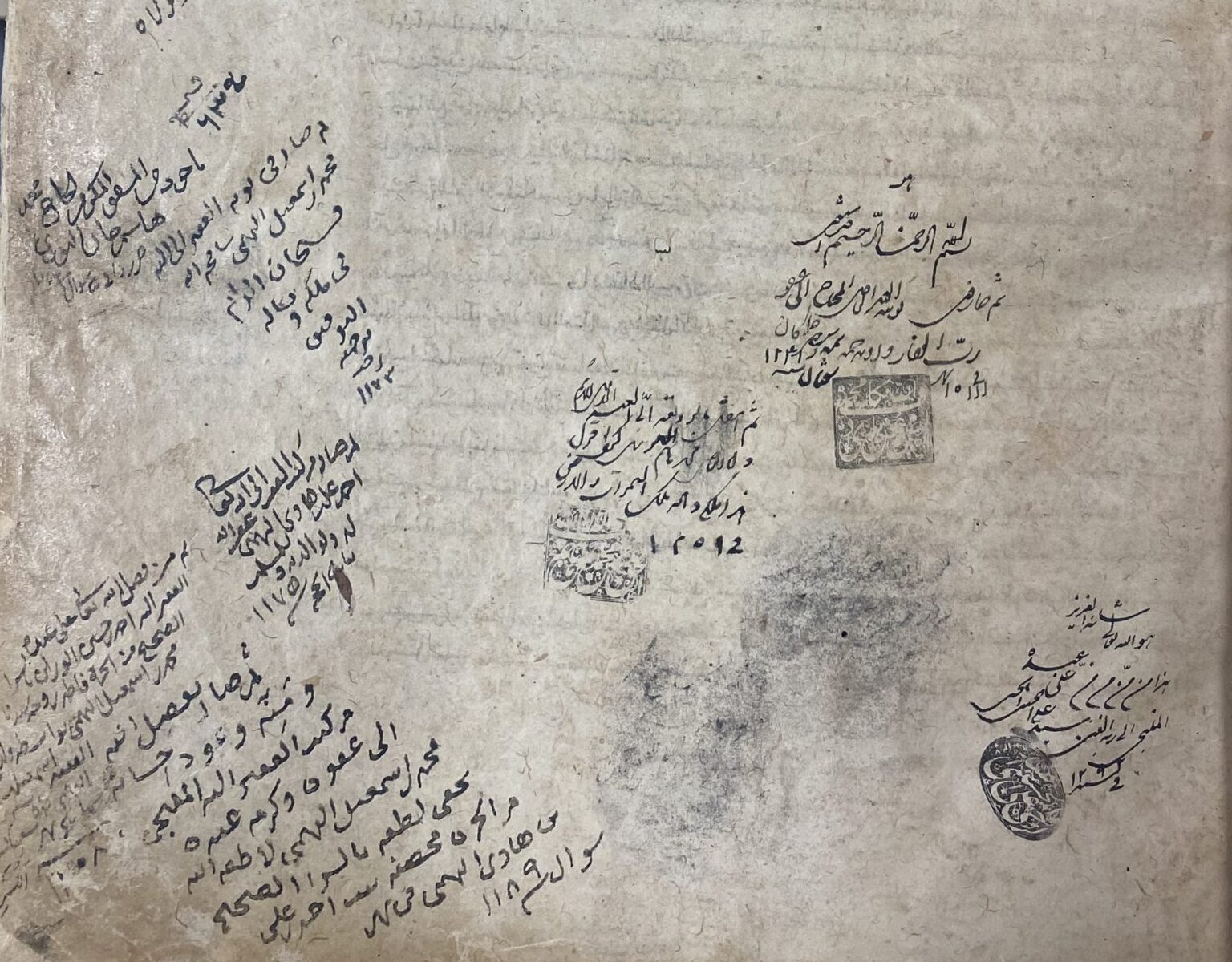
  • Manuscripts in Arabic Script at UCLA: Where Did They Come From?

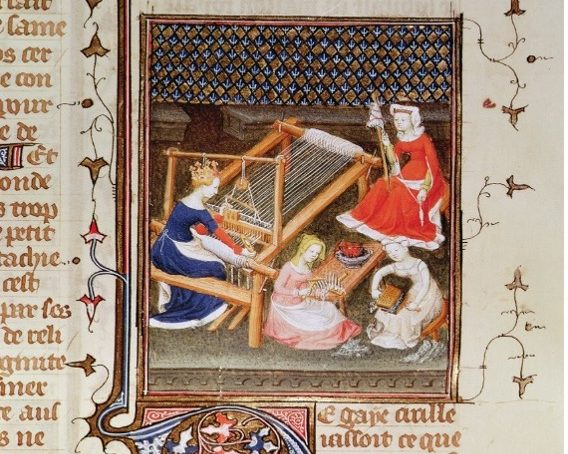
    UCLA holds one of the largest groupings of Arabic, Persian, and Turkish manuscripts in the Americas, yet little is known about their provenance. This event will shed light on the sources of some of UCLA’s twenty collections of manuscripts in Arabic script. This event will draw attention to manuscript provenance by hosting five talks from […]

  • Medieval Texts Reading Group (Winter 2026)

    Previously scheduled for January 23, 2026. The UCLA Medieval Texts Reading Group welcomes undergraduate students, graduate students, staff, and faculty interested in medieval literature. On the third Friday of each term, we meet to discuss a text in English translation from across the Global Middle Ages and consider what it tells us about its cultural […]

  • California Medieval Seminar (Winter 2026)

    Participation in the Seminar consists of group discussion of pre-circulated papers, typically drafts of articles, book chapters, or dissertation chapters (with complete apparatus). Two of the papers are ordinarily by emerging scholars (including PhD students) and the other two are by established scholars. We allocate one hour per paper and presenters should anticipate substantial, and […]